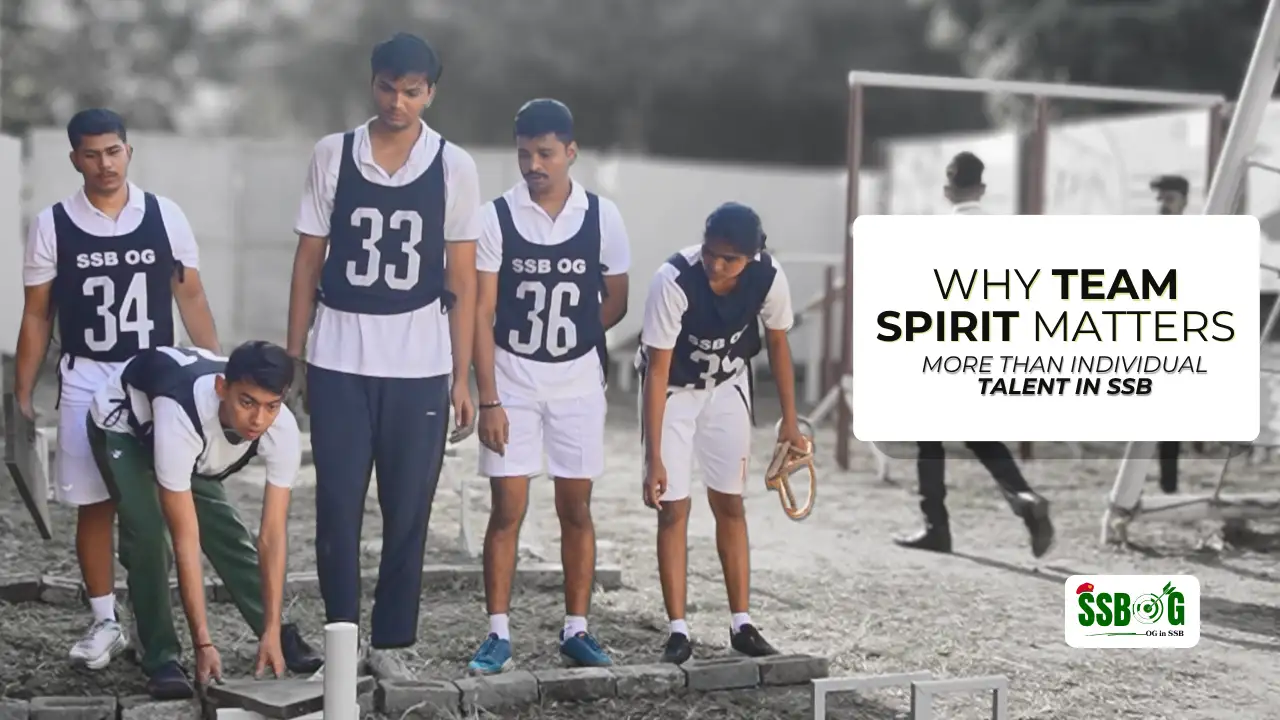
Many candidates focus only on individual performance in SSB interview. Learn why team spirit matters more than individual talent and what assessors actually observe during group tasks.
Some Candidates Try to Stand Out. Others Quietly Help the Group Move Forward.
Inside an SSB group task, this difference becomes visible very quickly.
One candidate speaks continuously.
Another keeps interrupting everyone.
Someone tries to dominate every discussion.
Someone else waits silently for the perfect moment to impress the group.

And then there is usually one candidate who does something different.
He listens carefully.
He notices confusion inside the group.
He helps people coordinate.
He supports ideas instead of fighting for attention.
He remains involved without trying to control everything.
Very often, that candidate leaves a stronger impression on assessors.
Because SSB is not only observing how capable you are individually.
It is observing how useful you become inside a team.
Why Team Spirit Matters in SSB
The Armed Forces operate on teamwork long before they operate on individual brilliance.
An officer may be intelligent, physically strong, and highly confident. But if he cannot work effectively with people under pressure, that talent becomes difficult to use in real military situations.
Military environments demand:
➢ Coordination
➢ Trust
➢ Communication
➢ Shared responsibility
➢ Emotional stability in groups
➢ Decision making under pressure
That is why SSB gives so much importance to team behaviour.
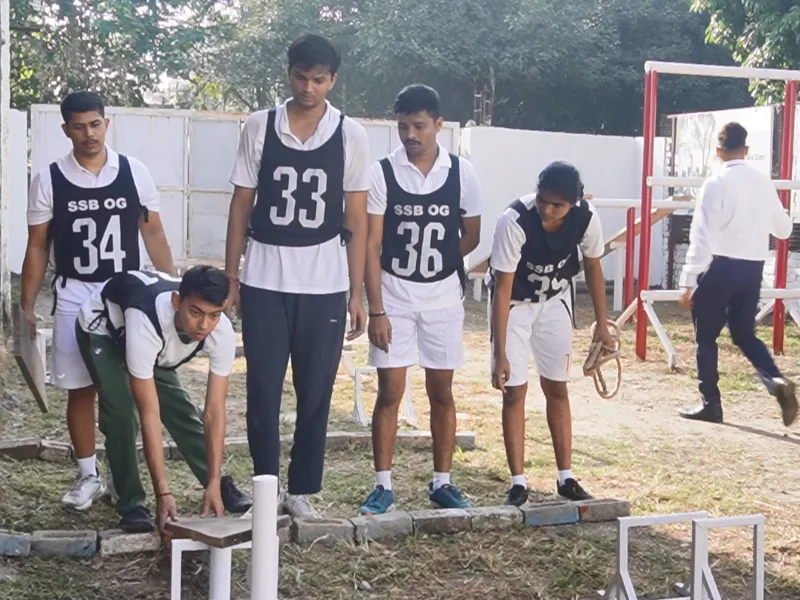
Assessors want to understand whether a candidate can function as part of a group without creating imbalance inside it.
SSB Is Not Looking for the Loudest Candidate
Many aspirants misunderstand confidence.
They believe strong performance means:
➢ Speaking the most
➢ Giving the most ideas
➢ Dominating discussions
➢ Becoming visible constantly
➢ Trying to lead every activity
But inside SSB, excessive self-focus often becomes visible very quickly.
Assessors observe whether a candidate is helping the group progress or simply trying to prove individual superiority.
There is a major difference between leadership and attention-seeking.
Real leadership usually creates stability inside a group.
Attention-seeking often creates disturbance.
What Assessors Actually Observe During Group Tasks
During GTO tasks, assessors are not only checking who solves the obstacle first.
They are closely observing group behaviour.
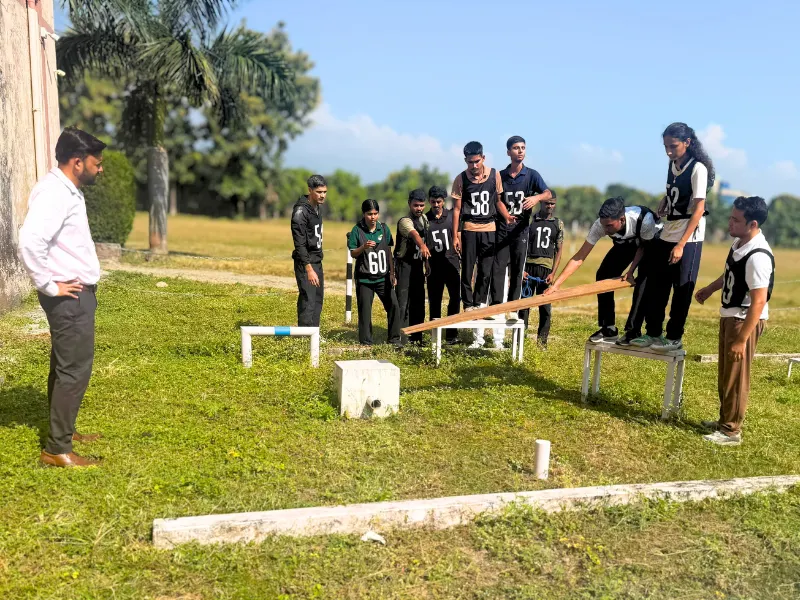
They notice things like:
➢ Who listens to others seriously
➢ Who becomes impatient during disagreement
➢ Who encourages quieter candidates
➢ Who remains cooperative under pressure
➢ Who takes responsibility naturally
➢ Who creates unnecessary arguments
➢ Who adapts when plans fail
➢ Who helps maintain group balance
Sometimes the candidate speaking less but contributing calmly creates a much stronger officer-like impression than the candidate constantly trying to dominate the environment.
Why Individual Talent Alone Is Not Enough
A highly talented candidate may still struggle in SSB if he shows poor group behaviour.
For example:
A candidate may have:
➢ Excellent communication skills
➢ Strong physical ability
➢ Sharp intelligence
➢ Good general knowledge
But if he:
➢ Ignores team participation
➢ Interrupts constantly
➢ Dismisses others’ ideas
➢ Becomes aggressive unnecessarily
➢ Tries to overpower discussions
then assessors start noticing imbalance in personality.
Because military leadership is not about performing alone.
It is about carrying people together during difficult situations.
One Thing Recommended Candidates Often Do Naturally
Many recommended candidates do not appear extraordinary from the outside.
Sometimes they are not the loudest speakers or the most dramatic personalities in the group.
But they consistently show behaviours like:
➢ Cooperation
➢ Calmness
➢ Reliability
➢ Group awareness
➢ Emotional balance
➢ Practical support for others
These qualities quietly build trust inside group situations.
And trust is a major part of military leadership.
Real Team Spirit Does Not Mean Being Passive
Some candidates misunderstand teamwork completely.

They think team spirit means:
➢ Staying silent
➢ Agreeing with everyone
➢ Avoiding opinions
➢ Never taking initiative
That is not teamwork.
Good team spirit means contributing actively while remaining socially balanced.
A candidate can still:
➢ Give strong ideas
➢ Take initiative
➢ Lead discussions
➢ Suggest plans
➢ Correct mistakes
But the behaviour should still help the group function better, not create ego competition inside it.
What Happens When Candidates Become Too Self-Focused
Inside SSB, pressure often exposes personality habits.
Some candidates become overly focused on:
➢ “How do I stand out?”
➢ “How do I impress the GTO?”
➢ “How do I appear smarter than others?”
Slowly, group interaction becomes artificial.
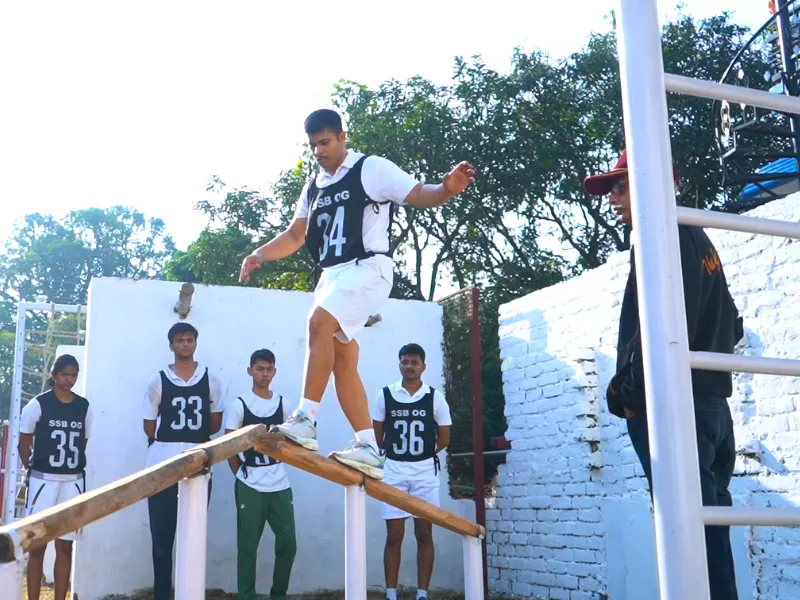
The candidate starts treating every task like an individual competition instead of a collective activity.
This usually becomes visible through:
➢ Interruptions
➢ Aggressive behaviour
➢ Forced leadership
➢ Lack of listening
➢ Unnecessary dominance
➢ Visible frustration when ignored
Assessors observe these behavioural patterns carefully because officers must function effectively even when situations do not go according to personal preference.
Why the Armed Forces Value Team Behaviour So Deeply
In real military environments, officers rarely work alone.
Operational situations require people to:
➢ Trust each other quickly
➢ Share responsibility
➢ Communicate under stress
➢ Coordinate during uncertainty
➢ Support teams emotionally and mentally
A highly talented person who damages team balance can become difficult to rely upon during pressure situations.
That is why SSB tries to identify candidates who strengthen group effectiveness rather than only displaying personal capability.
Signs of Healthy Team Spirit in SSB
Candidates showing good team spirit often display behaviours like:
➢ Listening carefully before reacting
➢ Respecting different viewpoints
➢ Remaining calm during disagreement
➢ Helping confused group members
➢ Supporting practical solutions
➢ Encouraging group participation
➢ Staying emotionally stable under pressure
These behaviours may look simple from the outside, but they reveal maturity and social adaptability.
Myth vs Reality About Team Spirit in SSB
| Myth | Reality |
| Leadership means dominating the group | Leadership means guiding the group effectively |
| Loud candidates perform better | Balanced candidates often leave stronger impressions |
| Team spirit means staying quiet | Team spirit means contributing responsibly |
| Individual brilliance guarantees recommendation | Group behaviour matters heavily |
| Every task is personal competition | SSB heavily evaluates group dynamics |
What Officer Like Qualities Reveal About Teamwork
Many Officer Like Qualities are deeply connected to group behaviour.

These include:
➢ Cooperation
➢ Social adaptability
➢ Sense of responsibility
➢ Initiative
➢ Emotional stability
➢ Organising ability
➢ Influence on group
An officer is expected to function effectively with people from completely different backgrounds, personalities, and pressure situations.
That is why SSB continuously evaluates how candidates behave inside collective environments.
The Difference Between Forced Leadership and Natural Leadership
Forced leadership usually sounds loud.
Natural leadership usually feels stable.
Candidates showing natural leadership often:
➢ Understand group mood
➢ Speak when necessary
➢ Listen seriously
➢ Support coordination
➢ Maintain calmness under pressure
➢ Influence without creating tension
This kind of behaviour often creates a much stronger and more trustworthy impression inside SSB.
Final Reality About Team Spirit in SSB
Inside the Selection Board, assessors are not only searching for talented individuals.
They are searching for people who can function responsibly inside teams, remain balanced during pressure, and help groups move forward together.
Individual talent always matters.

But in military life, talent becomes far more valuable when combined with cooperation, emotional balance, and team spirit.
And that is why candidates who quietly strengthen the group often leave deeper impressions than candidates who spend the entire process trying to prove themselves alone.
FAQs
Why is team spirit important in SSB?
Team spirit is important because military officers must work effectively with teams during stressful and uncertain situations. SSB evaluates whether candidates can cooperate, coordinate, and maintain group balance.
Does SSB prefer leaders or team players?
SSB prefers balanced personalities who can both lead and work responsibly within a team when required.
Can aggressive candidates perform well in SSB?
Excessive aggression usually creates negative impressions if it damages teamwork, listening ability, or group coordination.
What is the difference between leadership and dominance in SSB?
Leadership helps the group progress effectively. Dominance usually focuses more on controlling attention and overpowering others.
How can I improve team spirit before SSB?
Candidates can improve team spirit by practicing listening, respecting opinions, remaining calm during disagreement, participating responsibly, and focusing on group success rather than personal visibility.